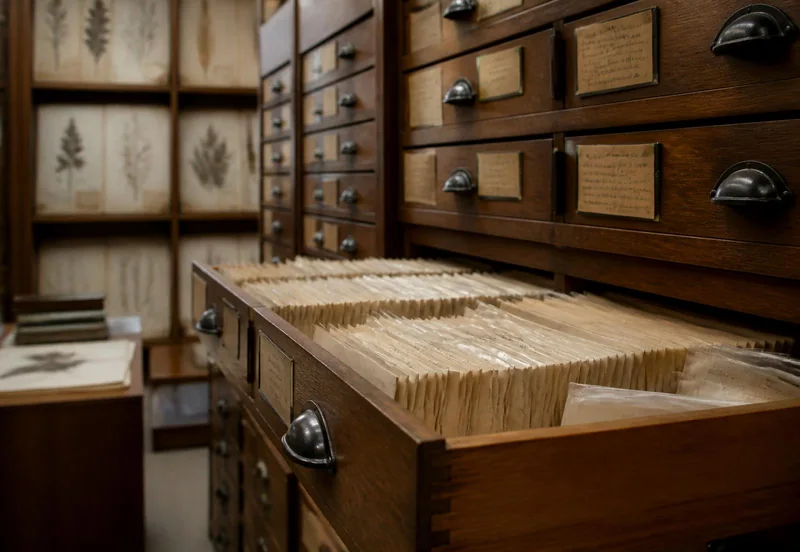
Open repositories cannot take it
Zenodo, Figshare and Dryad are excellent, and open data belongs in them. But they publish what you deposit. Data with consent conditions, ethics constraints or commercial sensitivity has nowhere equivalent to go.
Built in Malaysia, for this region
Some research data carries consent conditions, ethics constraints, or an agreement that says who may use it and for what. Emperix is built for that data: you set the terms, approve each request yourself, and can withdraw access at any time.
Open data belongs in an open repository. This is for everything else.
EXAMPLE RECORD
Household fever survey, 2023
ACCESS LOG
Postdoctoral researcher, public university
Purpose: re-analysis of fever duration by age band
APPROVED 1 year · expires 14 Mar 2027
Analyst, private company
Purpose: product development
DECLINED outside permitted use
PhD candidate, public university
WITHDRAWN by the depositor
Example record. It shows the fields a depositor completes and the log that builds up behind them. It is not a real dataset, and the people in it are not real.
The first question
No, and if your data can be open you should use Zenodo — it is free, well funded and permanent. Zenodo publishes what you deposit. Emperix is for data you cannot publish: consented human data, restricted industrial data, anything governed by an agreement. The two solve different problems and we would rather you used the right one.
Emperix is new. The platform is built and running, and we would rather say exactly what that means than imply more.
The exchange is also new enough to be small. We are not going to dress that up with numbers.
The problem
Most research data that matters is not open, and cannot be. It was collected under consent that limits its reuse, or it identifies people, or it belongs partly to somebody else. So it travels as attachments, governed by agreements nobody can later find.
Zenodo, Figshare and Dryad are excellent, and open data belongs in them. But they publish what you deposit. Data with consent conditions, ethics constraints or commercial sensitivity has nowhere equivalent to go.
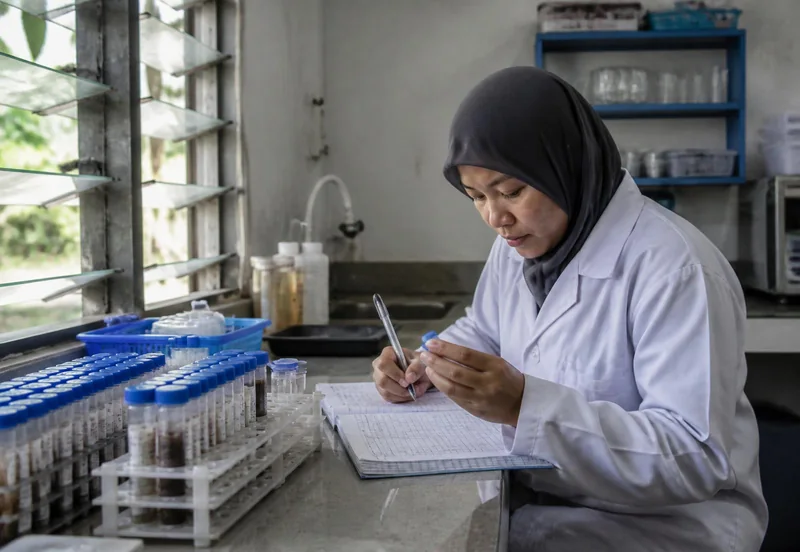
A request arrives by email. An agreement is signed as a PDF and filed somewhere. A file is sent, or a link is shared. Six months later nobody can say which version was sent, or on what terms.
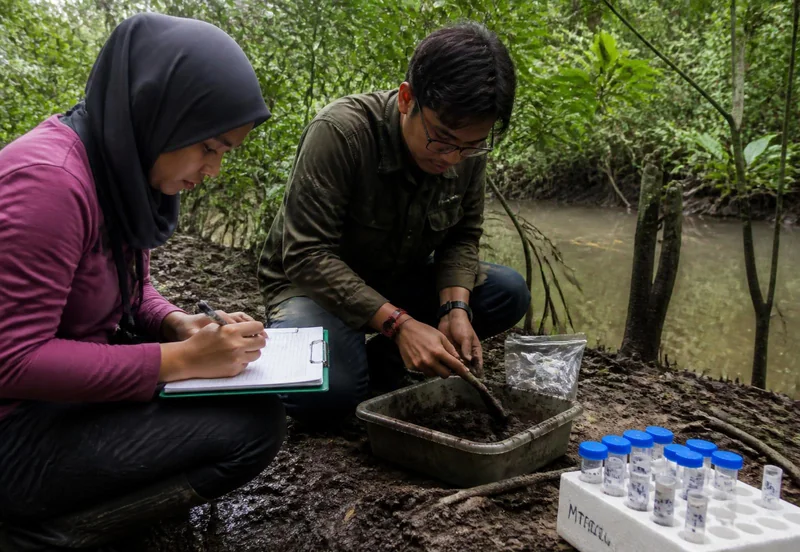
When an ethics committee asks who accessed the data, for what purpose, and under which agreement, the honest answer is usually that no one kept a record. That is a difficult position for the researcher who shared it in good faith.
How it works
Terms recorded, file screened
Description public, data withheld
Each request judged by you
Terms expire, access withdrawn
The life of a grant
A grant moves through states you can see and change. Nothing about it is permanent unless you decide it should be. Expiry and withdrawal are the two endings, and both are yours to choose.
A named person states a purpose and an institution.
You grant it, for a term you choose.
Then either
The term runs down. No renewal is automatic.
The next download attempt fails, immediately.
For institutions
Research offices, ethics committees and data stewards carry the risk when restricted data is shared. Emperix is built so that risk is documented rather than assumed: every application, every decision, every withdrawal, with the purpose stated and the institution named.
The record cannot be edited or deleted, including by administrators. An audit trail that the wrong person can quietly amend is not an audit trail.

Questions